
Fidalgo
Island Dental
Crowns
What is a Dental Crown?
Dental crowns are used to save already damaged teeth and put a cap over their structure. This cap or crown saves the teeth from any further decay. The teeth crowns are installed by the specialist dentists to save the teeth from further damage.
Dental crowns are covers put on top of harmed teeth. Crowns are utilized to secure, cover and reestablish the state of your teeth when fillings don’t take care of the issue. Dental crowns can be made out of metals, porcelain, gum and earthenware production. They commonly don’t need unique consideration over the long haul other than ordinary great oral cleanliness.
With time and less care, your teeth can get harmed. This can occur for many different reasons, similar to tooth rot, wounds or simply use over the long haul. Your teeth can lose their shape or size. Dental crowns are tooth-formed “covers” that can be put over your tooth. Consider it like a cozy cap for your tooth. The crown reestablishes the tooth’s shape, size, strength and appearance.
The dental crown is established into place on your tooth and it covers the apparent piece of the tooth.
Dr. Greenhalgh is able to care for all your general dentist needs, helping you to continue or re-establish good oral health. His strength is helping you to understand your short and long term comprehensive dental health needs and expectations, as well as treating you to obtain those goals.
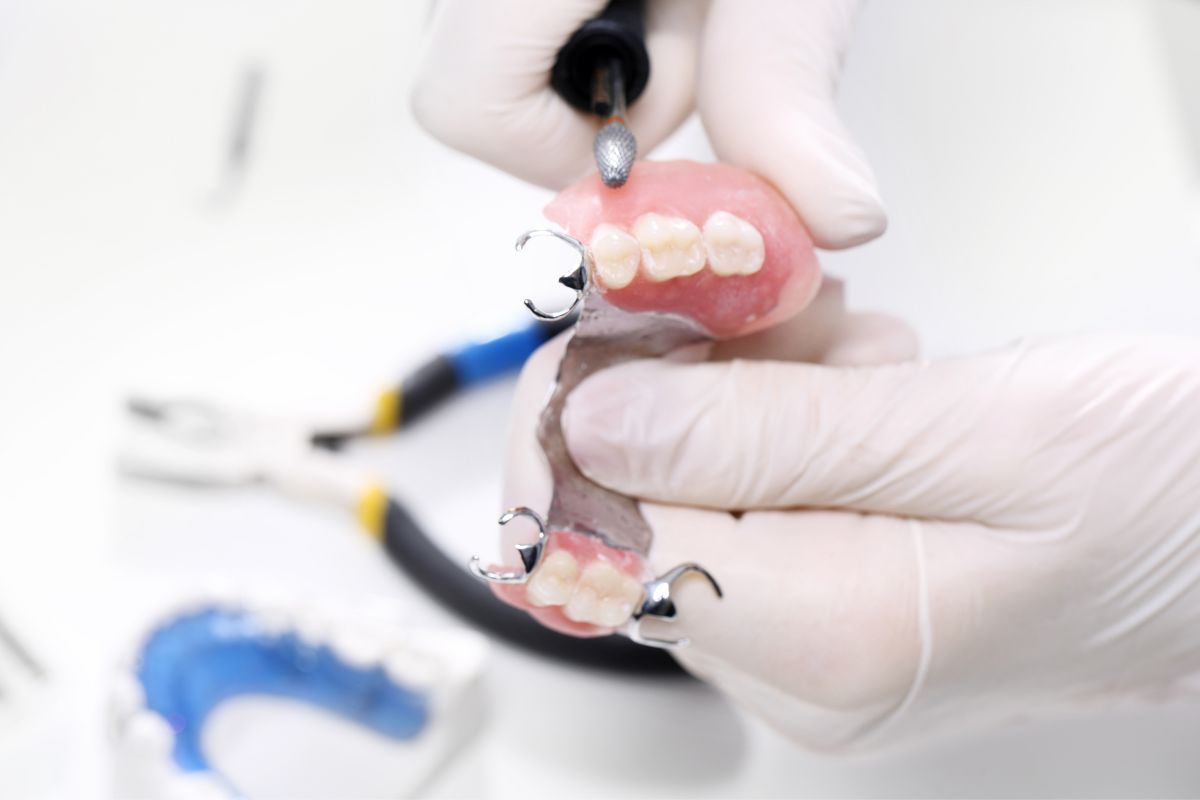
Different Structures
Dental crowns have different structures and they are made of different materials. These materials can be opted by your dental surgeon as per suitability of your teeth structure. Following are some main materials which are used for dental crowns. These materials can be permanent and suitable to your teeth.
Metal
There are a few metals that can be utilized in dental crowns, including gold, palladium, nickel and chromium. Metal crowns once in a while chip or break, last the longest as far as wear out and just require a limited quantity of your tooth to be eliminated. They can likewise withstand gnawing and biting powers. The metallic tone is the principle downside of this sort of crown. Metal crowns are a decent decision for far away molars.
Porcelain-fused-to-metal
This kind of dental crown can be coordinated to the shade of the teeth that is close to the crown. They have a more normal tooth tone. Be that as it may, now and again the metal under the crown’s porcelain cap appears through as a dim line. Different cons incorporate the shot at the crown’s porcelain segment chipping or severing and the crown wearing out the teeth inverse it inside the mouth. This wear on different teeth explicitly influences the teeth that come into contact with the crown on the top and lower part of your mouth when it’s shut. Porcelain-melded to-metal dental crowns can be a decent decision for front or back teeth.
All-resin
Dental crowns made out of gum are for the most part more affordable than other crown types. In any case, they wear out over the long run and are bound to break than porcelain-combined to-metal crowns.
All-ceramic or all-porcelain
These sorts of dental crowns give the best regular shading match contrasted with some other crown type. They’re additionally a decent decision if you have metal sensitivities. Notwithstanding, they aren’t quite so solid as porcelain-combined to-metal crowns. They can likewise wear out the teeth inverse them in the mouth somewhat more than metal or pitch crowns. All-ceramic crowns are a decent decision for front teeth.
Pressed ceramic
Squeezed earthenware dental crowns supplant the metal liner that is utilized in the all-fired crown-production process. Squeezed fired crowns are covered with porcelain, which gives the best normal shading match. They’re likewise more enduring than an all-porcelain crown.
A delegated tooth needn’t bother with any uncommon consideration. Be that as it may, the hidden tooth actually should be shielded from rot or gum sickness. Along these lines, you should keep on after great oral cleanliness rehearses. These practices incorporate cleaning your teeth two times every day and flossing one time per day — particularly around the crown region where the gum meets your tooth. Additionally, try not to chomp on hard surfaces with porcelain crowns (for instance, biting ice or popcorn frames) to forestall breaking the porcelain.
Frequently Asked Questions
A dental crown is a custom-made “cap” that completely covers a damaged or weakened tooth. Crowns restore the tooth’s strength, shape, size, and appearance while protecting it from further damage. Modern crowns are designed to look and function like natural teeth.
A dental crown may be recommended if you have:
- A cracked or broken tooth
- A large cavity that can’t be repaired with a filling
- A tooth that has had a root canal
- A worn-down tooth
- A severely discolored or misshapen tooth
- A dental implant that needs its final restoration
With proper care, dental crowns typically last 10–15 years, although many last 20 years or longer. Regular brushing, flossing, routine dental checkups, and avoiding habits like chewing ice can help extend the life of your crown.
Most patients are surprised by how comfortable the procedure is. The tooth is completely numbed before treatment begins, and modern techniques help minimize discomfort. Mild sensitivity afterward is normal and usually resolves within a few days.
Traditional crowns usually require two appointments:
- First visit: prepare the tooth and take digital impressions
- Second visit: place the permanent crown
A filling repairs a small portion of a damaged tooth.
A crown covers the entire visible portion of the tooth and is recommended when the tooth has lost too much structure to be safely restored with a filling.
Dental crowns may be made from:
- Porcelain
- Zirconia
- Porcelain fused to metal
- Gold alloys
At Fidalgo Island Dental, we’ll recommend the material that best fits your smile, bite, and long-term needs.
Yes!
Modern porcelain and zirconia crowns are color-matched to blend seamlessly with your surrounding teeth. Most people won’t be able to tell which tooth has the crown.
Although uncommon, crowns can occasionally become loose because of decay underneath the crown, cement failure, or trauma.
If your crown comes off, contact our office as soon as possible. In many cases, it can be recemented if the crown and tooth remain healthy.
Care for your crown just like your natural teeth.
- Brush twice daily
- Floss every day
- Attend routine dental cleanings
- Avoid chewing hard objects like ice or pens
- Wear a nightguard if you grind your teeth
Yes. The crown itself cannot decay, but the natural tooth underneath can.
Good oral hygiene is essential to protect the margin where the crown meets your tooth.
Without a recommended crown, a weakened tooth may:
- Crack further
- Break beyond repair
- Become infected
- Require extraction
Receiving a crown early often prevents more expensive treatment later.
Many dental insurance plans provide partial coverage for crowns when they are medically necessary.
Our team is happy to review your benefits and provide an estimate before treatment.
Absolutely!
Once your permanent crown is placed, you can eat most foods normally.
Crowns restore chewing strength and help protect weakened teeth during everyday function.
These treatments serve different purposes.
- A crown protects and strengthens a damaged tooth.
- A root canal removes infected tissue inside the tooth.
Sometimes both treatments are recommended together. After a root canal, a crown is often placed to strengthen the tooth and reduce the risk of fracture.